Does your horse feel a little uneven, resistant or just not right? It can be hard to know what you’re seeing or how to explain it. Talk Lameness helps you recognise the signs, understand what your vet is looking for, and feel confident asking the right questions. Because getting answers starts with knowing what to look for.
What is lameness?
Lameness is when your horse looks or feels uncomfortable or uneven, but the signs can be easy to miss. It might show up only when you ride, or on a circle, on one rein, on a certain surface or when your horse is tired. It can also look like a training problem, stiffness or a change in attitude.
Some horses do not “limp” in an obvious way. Instead you might notice shorter steps, a change in rhythm, reluctance in transitions, uneven contact or a drop in performance. None of these signs proves lameness on its own, but they can be useful clues to share with your vet.
Horses are good at coping. They can shift weight, change how they move or look better after warming up. That is why it helps to step back and look for patterns over time, not one moment in the arena.
This site is here to help you organise what you are seeing so you can describe it clearly. The aim is not to diagnose your horse, it is to support a better vet conversation and a clearer plan.
“Just get to know your horse. Treat them as individuals. That’s how they learn to trust you.
Learn what they like and don’t like. And don’t move the goalposts.”
Jackie Potts, Groom to William Fox-Pitt, BEF Groom of the Year 2006 and FEI Best Groom in 2014.
Could you spot these signs of lameness in your horse?
This short quiz will help you check what you already know and what you might be missing. It’s designed to be educational – not diagnostic – providing the answers to common signs of lameness and the information your vet may ask for:
- Spot subtle signs that can look like behaviour, stiffness or something “just not quite right”
- Learn the language of lameness to help describe what you’re seeing – in plain English
- Understand what information helps your vet decide on next steps
Knowledge Hub
Our owner-first guides will help you notice lameness patterns, reduce worry and feel prepared for your next vet visit.

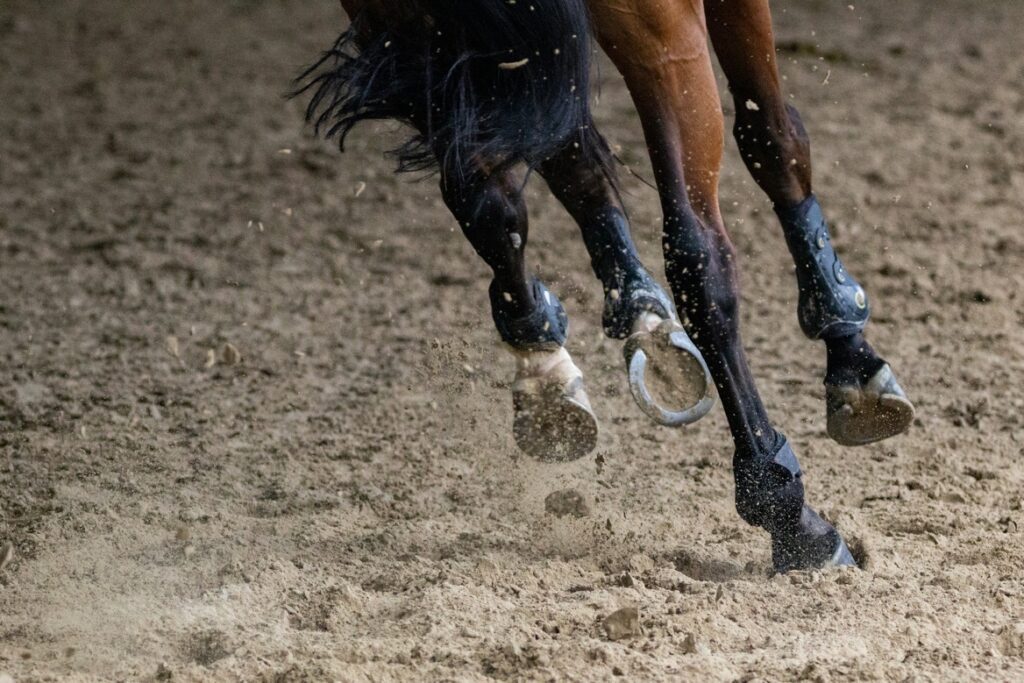
Why lameness isn’t always obvious
Horses don’t all show pain in the same way and movement changes can be subtle long before they’re obvious.

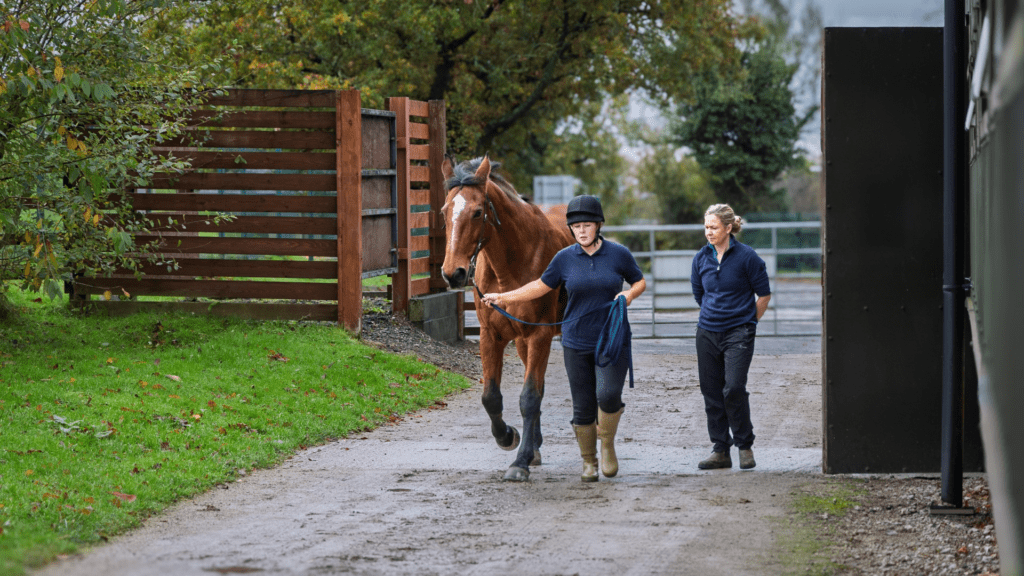
Lameness diagnosis: why it’s important for horse & owner
The real value of lameness diagnosis in horses is not just knowing what’s wrong but knowing what to do next. Once the source of pain is identified, you and your vet can work together on a treatment plan for your horse’s safe return to work.

5 things to discuss with your vet
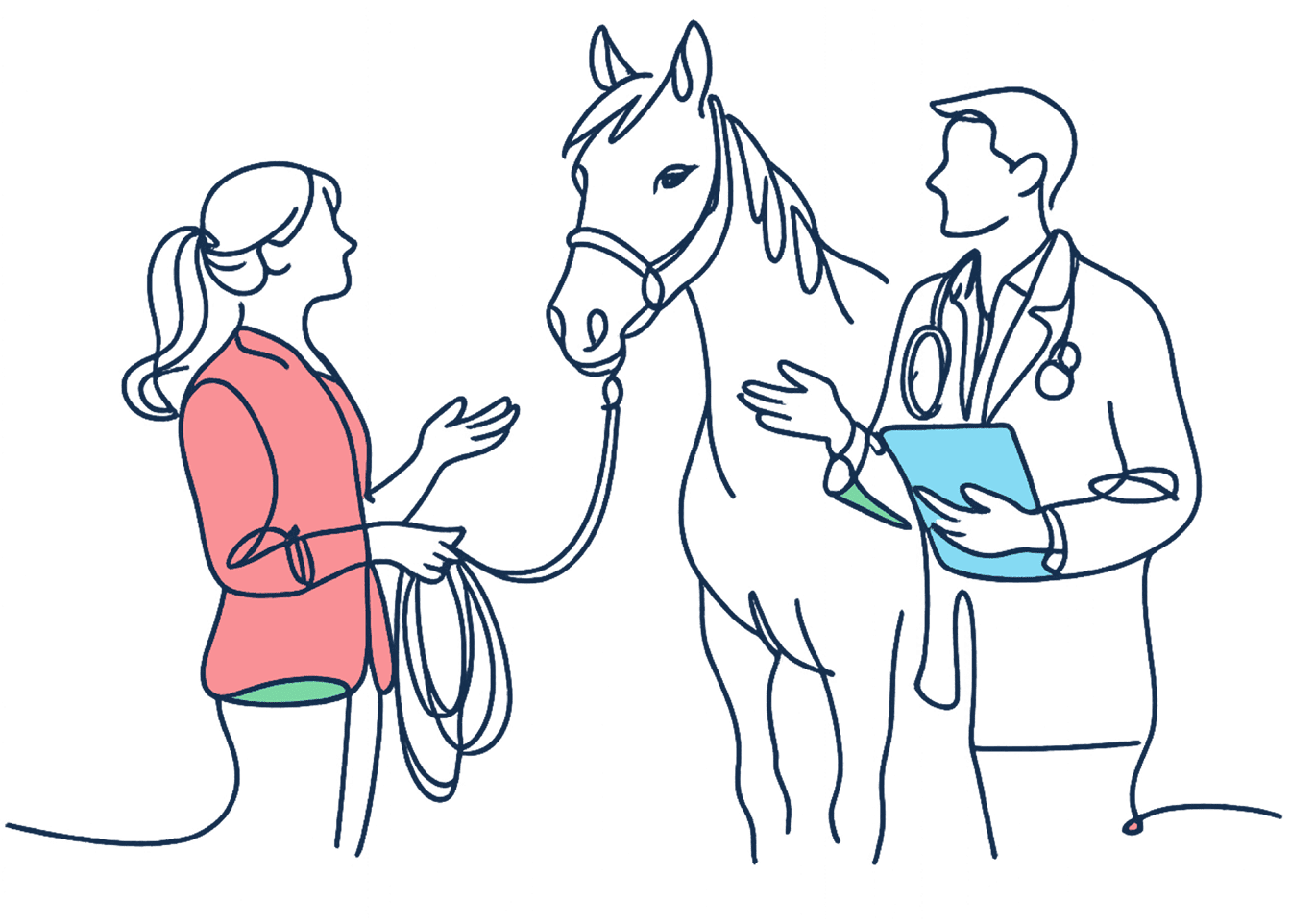
In 5 things to discuss with your vet, we help prepare you for a conversation about your horse’s lameness. Noting your observations and listing any concerns – in advance of your visit – will be invaluable in helping your vet reach a diagnosis.

Webinars
Find out more about TalkLameness
Welcome to Talk Lameness!
Welcome to Talk Lameness where we help you get to know your horse, observe what you see, take notes and have that conversation with your vet.
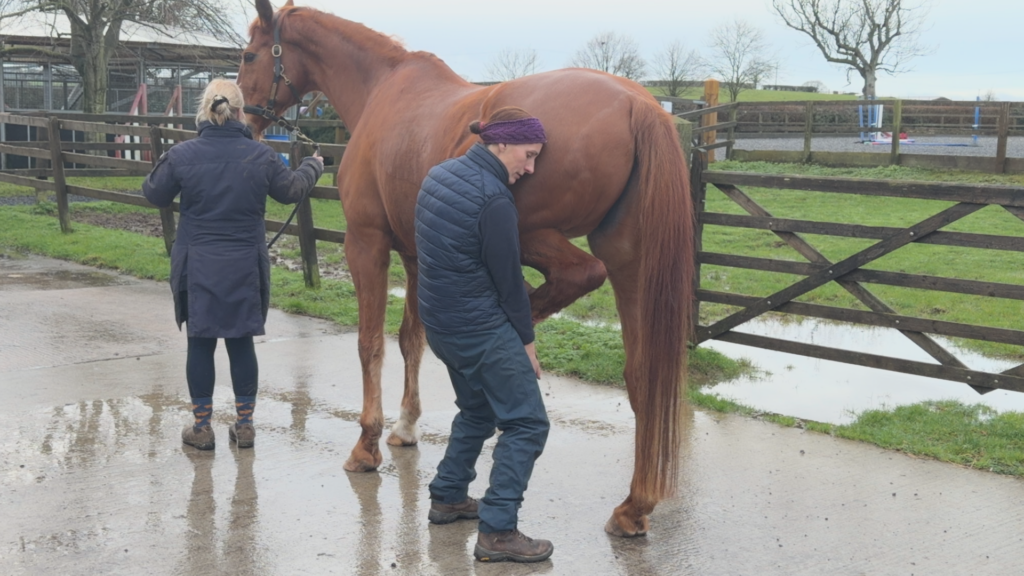
Webinar
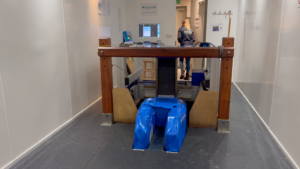
The standing MRI process
If you’ve ever wondered what acquiring an MRI study in a standing horse entails, then you’ve come to the right place. Thanks to Oakhill Equine Vets, we lead you through the prep a horse goes through before the study and then the process of acquiring the study itself.
Webinar
The standing MRI process
If you’ve ever wondered what acquiring an MRI study in a standing horse entails, then you’ve come to the right place. Thanks to Oakhill Equine Vets, we lead you through the prep a horse goes through before the study and then the process of acquiring the study itself.
Webinar
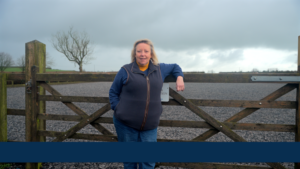
Who is Jackie Potts?
William Fox-Pitt’s Head Groom Behind every great event rider, there’s a team — and at the heart of William Fox-Pitt’s operation for around three decades has been his head groom, Jackie Potts. Jackie didn’t take the traditional route into the horse world. She started riding at age ten, when a friend asked her along to
Webinar
Who is Jackie Potts?
William Fox-Pitt’s Head Groom Behind every great event rider, there’s a team — and at the heart of William Fox-Pitt’s operation for around three decades has been his head groom, Jackie Potts. Jackie didn’t take the traditional route into the horse world. She started riding at age ten, when a friend asked her along to